


What this means for homeowners
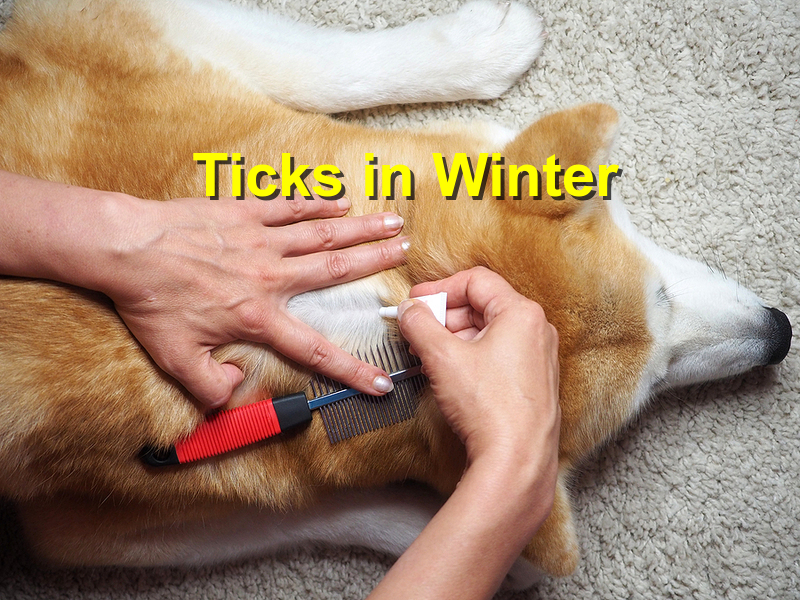
Ticks in winter are a common concern because pest activity rarely follows the calendar the way we expect. Whether you are dealing with an active problem or planning, understanding winter ticks helps you make practical decisions that reduce nuisance, damage, and avoidable risk.
Why does this issue happen?
Most pest pressure comes down to three predictable factors: food, shelter, and access. Seasonal shifts change all three at once. As conditions outside become less favorable, pests look for protected microclimates and reliable resources. In warmer spells, activity can spike; during colder or drier periods, behavior may slow but not always stop.
Watch the habitat, not just the season
Instead of guessing based on the month alone, look at the conditions around your home. Moisture, shade, clutter, and cracks can create small “safe zones” that allow pests to persist longer than expected. If your yard has standing water, dense groundcover, woodpiles, or unmanaged edges, those areas can keep populations going even when the broader weather trend is unfavorable.
Practical prevention steps
1) Remove the attractant
Start by reducing the resource that supports the problem. That may be water sources, exposed food, pet areas, or protective debris. Small fixes repeated consistently tend to outperform big one-time cleanups.
2) Block access
Seal gaps and improve transitions around doors, utility penetrations, and foundations. Many pests only need a tiny opening to move from outdoors to indoors or from one hiding spot to another.
3) Target the hotspots
Focus effort where the pest actually lives, not just where you notice it. Trails, nesting areas, burrows, and resting zones are better targets than random treatment. If activity is persistent or escalating, professional inspection can identify the driver you may not see from the surface.
When to get help
If you are seeing repeated activity despite cleanup and exclusion, or if the pest creates stinging, biting, or safety concerns, it is worth getting a structured plan. A good program is seasonal, proactive, and focused on the property features that keep reintroducing the issue.